
Home › Forums › Bass Cat Boats › Trailer Hub Maint
Tagged: Thank you BCB!
 SLumpp.
Two questions?
1. If using a grease gun is not recommended, then why do hubs come with a bearing buddy and grease fitting?
2. whats the proper procedure for repacking a new set of bearings / hubs when replacing old ones with new ones. I’m replacing two hubs on my 06 puma and want to make sure I do it right

I’ve learned from these boards to leave them alone. My Sabre hubs were untouched since 2008. Never a “pump” on the buddies and they barely warmed in over 100,000 miles. I’ve drug this trailer from Lake Fork to Table Rock, and most lakes in 3 states. I’m sold on the seals BCB uses. Pumping the buddies cumulatively takes out the seals. They’re only there by public demand, and not by an actual need.
A month ago I took it to my dealership to be serviced back to BCB specs as a preventative measure. They cleaned & repacked, new pads & seals. Bearings and races still in great condition. I do a lot of my maintenance myself, all essentially part replacement. I’m not messing with hubs. A mistake could easily leave me on the side of the road on tourney morning – a risk I’m not taking.

January 26, 2009 at 8:38 am#469224
Bass Cat Boats
Keymaster
0
Bob,
First, make sure you have new marine seals (Not NAPA Auto) with a double lip on the seal. One small lip turned each direction on the seal face itself where it mates to the spindle.
1. Remove the Cotter Pin that hols the nut cap on.
2. Thread the nut off slowly and be sure it does not have burrs on it. Check for burrs so you can remove them before re-assembly
3. The outer bearing and washer (pending you have one) should slip out the front when you wiggle the wheel.
If you have disc brakes you will have to remove the caliper from the rotor.
If you have drum brakes, you may (may not) have to spoon the adjuster away from the hub backing the shoes off.
4. The hub assembly will come off with the tire. That is fine!
5. Now lay a piece of cardboard under the wheel with the rear seal down.
6. Slowly tap that rear seal out of the hub assembly. Working it from side to side. While folks have reused a seal you are not supposed to. They will not last.
7. Remove the rear bearing. (Inner larger)
8. Clean out the hub assembly and remove all the grease with a rag. You do not necessarily have to clean the internal hub, though it is the proper method. If your grease is contaminated we would clean it well, which may require removal from the wheel.
9. Check the races in the hub for pitting. And check the spindle for damage.
10. Look at your spindle and check the seal seat to verify if you have a separate part the seal rides on and the condition of that back portion of the spindle.
11. Clean the bearings well. Check them for wear and tear. Dry them well and blow or clean them out. Now you are prepared to reassemble.
12. Pack the bearings with your palm of your hand and pack the grease with one hand and press the grease into the bearings with the palm of your hand before re-installation.
13. Now place the rear bearing into the hub assembly and you are ready to press the NEW seal back into the hub. You can tap it carefully into place with a block of wood or a shot mallet.
14. Now that you have the new seal in the hub you are prepared to pack the grease into the hub assembly filling that cavity between the bearings.
15. You are now ready to replace the hub on the spindle. Do so placing the outer bearing easily into the front of the hub. Make sure you hand packed this bearing also.
16. Replace the front washer, nut and outer cap (if one is required). Do not tighten the nut down all the way. Tighten it down while spinning the hub and seating the bearings. You should tension the outer bearing nut and then back it off slightly and reinsert the cotter pin. The outer nut should not be fully tight, just taught and secure. DO NOT OVERTIGHTEN, as you WILL BURN A BEARING!
17. You are now ready to replace the Bearing Buddy Cap. Which should be starred with a screwdriver or chisel point. Taking the back side of the cap and starring the inside portion outer lip with little nicks. These ( 8 ) little nicks across from each other will retain the bearing cap.
18. Tap the bearing cap into place holding it square with a block of wood pressed firmly against it. Then tap the block and take caution to watch it insert square. You may have to start it tapping into place before you put the block on the cap and hit it firmly.
19. Reassemble the brake caliper, and replace pads if necessary, usually not on disc. Reseat drum brake pads if you have drum brake pads after reassembly.
* You should replace the drum brake pads if they are required and also replace seals in the wheel cylinders. The brakes may be the hardest part and they may be required to be rebuilt. Which often requires a front master cylinder kit if the fluid is rusted. It has also required a full master cylinder replacement.
The brakes do not heat up and boil or warm the fluids as your vehicle does. Thus when a trailer sits it builds moisture that never evacuates the fluids. This moisture causes rusting in your lines and cylinders. The fluid absorbs a high concentration of water and that moisture again is the culprit.
The bearings are not hard, and unless your system has failed due to fluid and moisture contamination you should not require a disc rebuild or replacement. So the job should be fairly simple and not long.
If you have a brake requirement on rebuilding, then you are into more time. Overall for a novice it should be a 3 to 4 hours job with a brake rebuild. Without a brake job it should be 1 to 2 hours.
For grease we prefer the red low lithium based grease, though other colors work fine, and Valvoline #616 is good.
http://www.valvoline.com/…rease-gear-oil/grease/66
BCB
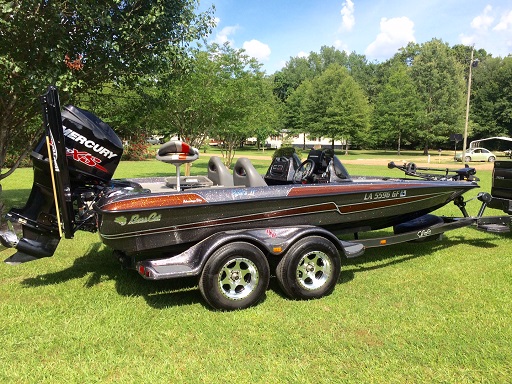
To answer your first question: BCB does not recommend pumping grease due to it expanding the rear seal when it is forced pass it. Once this happens it allows water or moisture to enter the hub and bearings.
Don
cj48:
January 26, 2009 at 8:38 am#469224
Bass Cat Boats
Keymaster
0
Bob,First, make sure you have new marine seals (Not NAPA Auto) with a double lip on the seal. One small lip turned each direction on the seal face itself where it mates to the spindle.
1. Remove the Cotter Pin that hols the nut cap on.
2. Thread the nut off slowly and be sure it does not have burrs on it. Check for burrs so you can remove them before re-assembly
3. The outer bearing and washer (pending you have one) should slip out the front when you wiggle the wheel.
If you have disc brakes you will have to remove the caliper from the rotor.
If you have drum brakes, you may (may not) have to spoon the adjuster away from the hub backing the shoes off.4. The hub assembly will come off with the tire. That is fine!
5. Now lay a piece of cardboard under the wheel with the rear seal down.
6. Slowly tap that rear seal out of the hub assembly. Working it from side to side. While folks have reused a seal you are not supposed to. They will not last.
7. Remove the rear bearing. (Inner larger)
8. Clean out the hub assembly and remove all the grease with a rag. You do not necessarily have to clean the internal hub, though it is the proper method. If your grease is contaminated we would clean it well, which may require removal from the wheel.
9. Check the races in the hub for pitting. And check the spindle for damage.
10. Look at your spindle and check the seal seat to verify if you have a separate part the seal rides on and the condition of that back portion of the spindle.
11. Clean the bearings well. Check them for wear and tear. Dry them well and blow or clean them out. Now you are prepared to reassemble.
12. Pack the bearings with your palm of your hand and pack the grease with one hand and press the grease into the bearings with the palm of your hand before re-installation.
13. Now place the rear bearing into the hub assembly and you are ready to press the NEW seal back into the hub. You can tap it carefully into place with a block of wood or a shot mallet.
14. Now that you have the new seal in the hub you are prepared to pack the grease into the hub assembly filling that cavity between the bearings.
15. You are now ready to replace the hub on the spindle. Do so placing the outer bearing easily into the front of the hub. Make sure you hand packed this bearing also.
16. Replace the front washer, nut and outer cap (if one is required). Do not tighten the nut down all the way. Tighten it down while spinning the hub and seating the bearings. You should tension the outer bearing nut and then back it off slightly and reinsert the cotter pin. The outer nut should not be fully tight, just taught and secure. DO NOT OVERTIGHTEN, as you WILL BURN A BEARING!
17. You are now ready to replace the Bearing Buddy Cap. Which should be starred with a screwdriver or chisel point. Taking the back side of the cap and starring the inside portion outer lip with little nicks. These ( 8 ) little nicks across from each other will retain the bearing cap.
18. Tap the bearing cap into place holding it square with a block of wood pressed firmly against it. Then tap the block and take caution to watch it insert square. You may have to start it tapping into place before you put the block on the cap and hit it firmly.
19. Reassemble the brake caliper, and replace pads if necessary, usually not on disc. Reseat drum brake pads if you have drum brake pads after reassembly.
* You should replace the drum brake pads if they are required and also replace seals in the wheel cylinders. The brakes may be the hardest part and they may be required to be rebuilt. Which often requires a front master cylinder kit if the fluid is rusted. It has also required a full master cylinder replacement.
The brakes do not heat up and boil or warm the fluids as your vehicle does. Thus when a trailer sits it builds moisture that never evacuates the fluids. This moisture causes rusting in your lines and cylinders. The fluid absorbs a high concentration of water and that moisture again is the culprit.
The bearings are not hard, and unless your system has failed due to fluid and moisture contamination you should not require a disc rebuild or replacement. So the job should be fairly simple and not long.
If you have a brake requirement on rebuilding, then you are into more time. Overall for a novice it should be a 3 to 4 hours job with a brake rebuild. Without a brake job it should be 1 to 2 hours.
For grease we prefer the red low lithium based grease, though other colors work fine, and Valvoline #616 is good.
http://www.valvoline.com/…rease-gear-oil/grease/66BCB

One thing I would add. I use an attachment to my grease gun to grease the bearings themselves. Looks sort of like two nested funnels on a threaded shaft. Separate them, put the bearing in, screw the other half in reasonably tight. This will seal the inner face of the bearing against one of the the nested funnels, and the outer face against the other. Then use the zerk (that is a hard word to type with apple auto-correct) to force clean grease into the bearing. They are hard to clean out completely using gas or solvent in a pan, but after doing that, you can force grease all the way through them getting any old grease out, AND being certain that they are fully greased. You can look in between the two funnel parts and see grease being forced out through the bearing. Don’t know where I bought this thing, but it was pretty cheap and has lasted way over 40 years now.
On mine, usually the hardest part is removing the caliper on each wheel as they come with blue loctite (another hard word to type) which makes ’em really stiff to get out in a fairly small work area.
Now if you need a new bearing, things get way more interesting as it can be a chore to drive the old race out, and an absolute PITA to drive the new race in. Done it many times over the years to cars and a few trailers. Never gets any easier. If you have a good hydraulic press and the right mandrel, it is a whole lot easier.
Thanks oldtimer. My trailer has at least 150K miles on it I believe, so I am definitely going with new bearings and seals. I have them already, and bought them from BCB. Advance auto probably has a bearing and seal kit that makes it easier to install new race and seals. I know the gizmo you spoke of, I have used one before in a shop I worked in once before. Definitely makes things easier. Thanks again.

Be absolutely SURE that the replacement seal is a DOUBLE LIP seal, as we seldom see those in parts houses.
Bought the bearing and seals directly from BCB. 😉
You know, I DID find double lipped seals at O’reillys once. But the interesting part is it was not listed under wheel bearing seals, it was a transmission tailshaft seal. Only problem was it cost more than 2x what BCB sells the seal for. I went with BCB. I bought a bearing when I first bought my boat. Came from NAPA, packaged by UFP. The race would NOT press into the hub. We used a 100 ton press and I chickened out before I cranked it up to that. Got bearings from Allan and it fit just like it was supposed to. Can’t go wrong by ordering from BCB parts.
Regarding the bearing packer that Old Timer wrote about. Mine cost me about 4 bucks. My dad showed me the proper way to pack bearing when I was driving a 1968 Camaro and had to do a brake job on the drum brakes. I packed my own bearings for years, and I agree with Basscat in that people get way too overzealous with bearing buddies, and then wonder why they have a puddle of grease either on the inside of the wheel or if they are lucky, the pressure relief hole in the front is not clogged, is working properly, and spraying it out the front and all over their wheels and side of the boat. One thing to note is if you do not have the right seals on the axle every time you sink that trailer into the lake you are looking at water getting in and screwing everything up. As for race removal and replacement, well knocking them out you don’t care about scratching them, installing them, I use a brass punch, and a lot of patience. If you scratch or mar up the race, well you better get another and start over.
© 2026 Bass Cat Boats
